Jellyfish in Ibiza: When They Appear and How to Stay Safe
OpenBoats
Ibiza and Formentera are famous for their clear Mediterranean waters, but jellyfish can occasionally appear near beaches, coves and swimming areas. If you are planning a holiday or a day on the water, knowing how to spot them, avoid contact and respond to a sting can make your trip safer and more enjoyable.
Are there jellyfish in Ibiza? Yes. Jellyfish are a natural part of the marine ecosystem, although their presence varies considerably from one beach and day to another. Most encounters do not lead to serious harm, but some species can cause painful stings and certain people may need medical attention.
At a glance: jellyfish in Ibiza
-
- When can you see them? At different times of the year, particularly when winds and currents bring them closer to shore. There is no guaranteed jellyfish-free month.
- Are they dangerous? Most stings cause local pain or irritation, but reactions vary by species and person.
- How can you avoid them? Check beach warnings, look carefully before entering the water and follow lifeguard advice.
- What if you are stung? Get out of the water, seek first-aid advice, rinse with seawater and avoid unproven home remedies.
- Where can you check sightings? Use local lifeguard information and the MedusApp jellyfish sightings map.
What are jellyfish, and why do they appear in Ibiza?
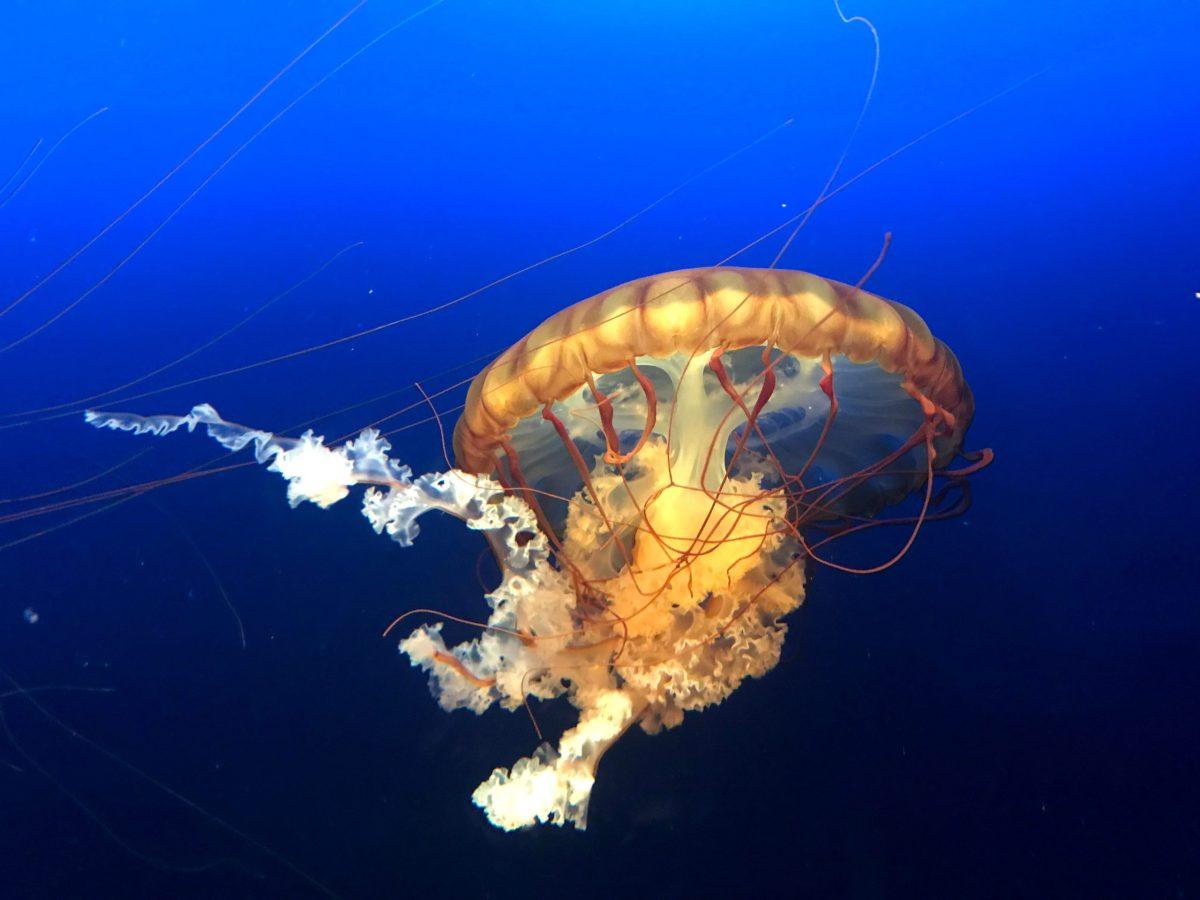
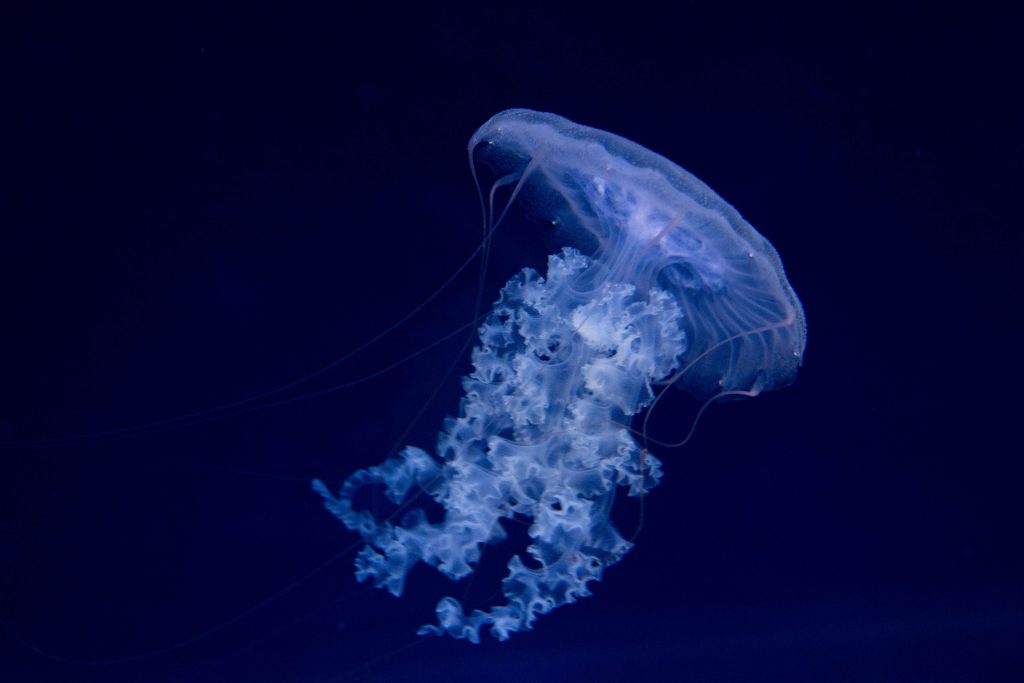
Jellyfish are marine animals with soft, gelatinous bodies. Many species have a bell-shaped body and tentacles containing specialised stinging cells, which they use to capture prey and protect themselves. They play an important role in marine food webs and are not simply a nuisance for swimmers.
Jellyfish can swim to some extent, but their distribution is strongly influenced by sea currents and wind. Many spend much of their time offshore and may be carried towards the coast. This helps explain why one beach can have several sightings while another, only a short distance away, has none reported.
Changes in water conditions, food availability and the marine environment can affect jellyfish populations. However, a particular sighting or bloom should not automatically be attributed to rising temperatures or climate change without supporting evidence.
When is jellyfish season in Ibiza?
There is no fixed jellyfish season that reliably predicts when Ibiza’s beaches will be affected. Sightings can occur in spring, summer or autumn, and the timing depends on the species and conditions at sea.
Summer is when visitors are most likely to notice jellyfish because more people are swimming and reporting sightings. That does not mean every beach will have jellyfish in July or August, or that the water will be clear of them in May, September or October.
Our advice: instead of choosing a swimming spot based only on the month, check recent local reports and the conditions on the day you plan to visit.
Which types of jellyfish might you see around Ibiza?
Several jellyfish species occur in the Mediterranean. These are useful examples to recognise when visiting Ibiza and Formentera; their presence in a particular cove is never guaranteed.
Purple stinger (Pelagia noctiluca)
The purple stinger is a relatively small, pinkish or purplish jellyfish. It is one of the Mediterranean species most associated with painful stings, including irritation caused by contact with its tentacles. Give it plenty of space and leave the water if several are present.
Fried egg jellyfish (Cotylorhiza tuberculata)
This distinctive jellyfish has a flattened, yellowish bell with a raised centre resembling a fried egg. Its sting is generally mild compared with that of the purple stinger, although sensitive individuals can still experience irritation. It should not be handled.
Barrel jellyfish (Rhizostoma pulmo)
The barrel jellyfish is much larger, with a pale, rounded bell that may have a blue or purple edge. Its sting is often less intense than that of the purple stinger, but contact can still cause discomfort. Keep your distance rather than trying to identify it by touch.
Important: colour and appearance alone are not reliable enough to decide whether an unfamiliar jellyfish is safe to approach. Treat unidentified animals as potentially stinging.
Which beaches in Ibiza have jellyfish?
There is no trustworthy permanent list of Ibiza beaches with jellyfish or beaches that are always free of them. Conditions may change quickly, and sightings can occur in both popular sandy beaches and secluded rocky coves.
This applies to places such as Ses Salines, Playa d’en Bossa, Cala Bassa, Cala Conta and the coves around Sant Antoni. None should be advertised as guaranteed safe from jellyfish simply because it has a sandy bottom, shallow water or a sheltered position.
How to check jellyfish sightings before swimming
- Consult local lifeguards at staffed beaches and take warning signs seriously.
- Look at the beach flags. Yellow or red flags may be used when jellyfish make swimming unsafe or require caution; some beaches use an additional jellyfish warning flag.
- Check MedusApp. Its map collects reported sightings and can help you see recent activity in the area.
- Inspect the water before entering. Look for jellyfish and floating tentacles, particularly near the shoreline.
A report on a map is useful information, not a guarantee: no report does not prove there are no jellyfish, and a previous sighting does not mean that a beach is still affected.
How to avoid jellyfish stings while swimming or snorkelling
You cannot eliminate the risk completely, but a few precautions make a real difference:
- Do not enter the water when lifeguards advise against swimming because of jellyfish.
- Keep your distance if you see a jellyfish, even when it appears harmless or stationary.
- Do not touch jellyfish washed up on the beach. Detached tentacles and stranded animals may still sting.
- Use a mask when snorkelling so you can see the water around you more clearly, but do not follow or approach jellyfish for a photograph.
- Consider protective swimwear that reduces the amount of exposed skin, especially during prolonged swimming sessions.
- If you see several jellyfish from a boat, choose another swimming area rather than entering the water to investigate.
Children and anyone with a history of serious allergic reactions should take particular care. Always supervise children in the water, regardless of whether jellyfish have been reported.
What should you do if you are stung by a jellyfish in Ibiza?
A jellyfish sting often causes sudden burning or sharp pain, followed by redness, itching or raised marks. The intensity varies according to the species, the area affected and the individual’s response.
First aid for a jellyfish sting
- Leave the water calmly. Avoid further contact and ask a lifeguard or trained first-aider for assistance whenever possible.
- Do not rub or scratch the skin. Rubbing can worsen irritation and may trigger remaining stinging cells.
- Rinse the affected area with seawater, not fresh water. Do not use a high-pressure stream or scrub the area.
- Remove any visible tentacle fragments carefully with tweezers or gloved hands, following first-aid guidance. Never pick them off with bare fingers.
- Ask for species-appropriate advice on pain relief. Cold and warm treatments are not interchangeable for every marine sting, so follow local professional advice rather than improvising.
Do not use urine, alcohol, ammonia or vinegar as a general remedy. Vinegar is only suitable in some species-specific protocols and can worsen the effects of others. Avoid fresh water and unverified creams or home remedies.
If pain is severe or persistent, the sting affects the eyes or mouth, or symptoms worsen, seek medical care. Call 112 in Spain if the person has difficulty breathing, chest pain, faints, becomes very dizzy or shows signs of a severe allergic reaction.
For further species-specific guidance, consult the Spanish Institute of Marine Sciences (CSIC) jellyfish first-aid advice. This section provides general information and is not a substitute for professional medical assessment.
Can you avoid jellyfish by exploring Ibiza by boat?
A boat gives you more flexibility to explore different parts of the coastline, but it does not make a swimming area jellyfish-free. Jellyfish move with the sea, and conditions can change throughout the day.
At Open Boats, we have spent years navigating the coast of Ibiza and Formentera. Our experience of local coves, weather patterns and sea conditions helps us plan sensible routes and decide when a swimming stop should be reconsidered. If jellyfish are visible in the water, the safest choice may be to observe from the boat or look for a different suitable location, provided the conditions allow it.
Whether you are planning a relaxed coastal trip or a day of swimming and snorkelling, you can hire a boat in Ibiza with Open Boats and choose an experience that suits your plans. As always, decisions about swimming should be based on actual conditions and safety, not on promises that a particular cove will be free of jellyfish.
Why jellyfish matter to Ibiza’s marine ecosystem
Jellyfish are part of the Mediterranean food web. They feed on small drifting organisms and are themselves eaten by other marine animals, including some fish and sea turtles. Monitoring their movements also helps scientists understand changes in marine ecosystems.
Respecting marine life is part of enjoying Ibiza and Formentera responsibly. Do not remove jellyfish from the water, damage them or disturb other wildlife. If you notice a significant group of jellyfish, keep your distance and report the sighting through an appropriate channel where practical.
Frequently asked questions about jellyfish in Ibiza
Are there jellyfish in Ibiza in summer?
Yes, jellyfish may appear in Ibiza during summer, but sightings vary by day, beach and sea conditions. Their presence is not constant, so check local warnings before swimming.
Are jellyfish in Ibiza dangerous?
Many encounters cause no harm, and most stings are limited to local pain or skin irritation. However, species such as the purple stinger can cause painful stings, and some people can have more serious reactions. Seek medical help when symptoms are severe.
Which Ibiza beaches are free of jellyfish?
No beach can be guaranteed jellyfish-free. Check lifeguard information, warning flags and recent sightings on MedusApp instead of relying on a fixed list.
Should I use vinegar on a jellyfish sting?
Not as a general treatment. Vinegar is recommended for certain species but can be unsuitable for others. Rinse with seawater, avoid rubbing and ask a lifeguard or healthcare professional for species-appropriate guidance.
Can jellyfish sting after washing ashore?
Yes. Stranded jellyfish and detached tentacles can still contain active stinging cells. Do not touch them, even if they look dead.
Can a boat trip help if jellyfish are reported?
A boat may offer the flexibility to consider a different swimming spot, but it cannot guarantee avoiding jellyfish. Always assess the conditions and follow safety advice.
Enjoy Ibiza’s sea safely and responsibly
Jellyfish are a natural feature of the Mediterranean, not a reason to avoid the sea altogether. Understanding when they may appear, checking current warnings and knowing the correct first steps after a sting will help you enjoy Ibiza and Formentera with greater confidence.